

Hyde Park Brush Removal Services
Choose our brush removal services for fast, thorough clearing that improves safety, boosts curb appeal, and prepares your property for any project—all handled by experienced professionals you can trust.
Get a Free QuoteOur Hyde Park Landscaping & Yard Care Services
When to Schedule Brush Removal in Hyde Park, Ohio – Seasonal Guide
In Hyde Park, Ohio, timing your brush removal is crucial for maintaining a healthy and attractive landscape. The best periods for this service are typically late winter through early spring and again in late fall, when vegetation is dormant and easier to manage. Hyde Park’s climate, with its cold winters and humid summers, means that brush can accumulate quickly, especially after the last frost date in April or following heavy summer storms. Neighborhoods near Ault Park or along Erie Avenue often experience dense undergrowth due to mature tree canopies and shaded yards, making regular brush removal essential for both curb appeal and safety.
Local environmental factors such as clay-heavy soils, variable precipitation, and the risk of summer droughts also play a role in determining the optimal schedule. For example, removing brush before the onset of high humidity in June can help prevent mold and pest issues. Additionally, municipal guidelines and seasonal restrictions may apply, so it’s wise to consult resources like the Sudbury municipal website for up-to-date information on local regulations.
Local Factors to Consider for Brush Removal in Hyde Park
- Tree density and mature canopy coverage, especially near Ault Park and Observatory Avenue
- Terrain slope and soil type, with many properties featuring clay-rich soils
- Seasonal precipitation patterns and risk of summer drought
- Shade coverage affecting undergrowth and brush accumulation
- Municipal restrictions or neighborhood association guidelines
Benefits of Brush Removal in Hyde Park

Enhanced Curb Appeal
Improved Property Safety
Prevention of Pest Infestations
Increased Usable Outdoor Space
Healthier Landscape Growth
Professional and Efficient Service
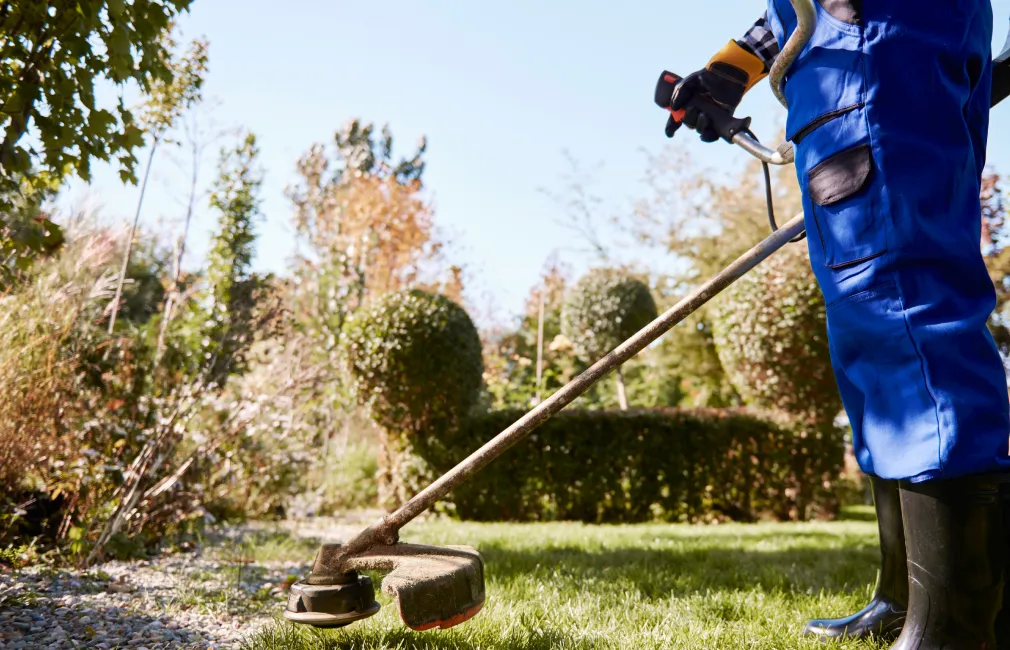
Hyde Park Brush Removal Types

Manual Brush Clearing
-
Mechanical Brush Removal
-
Selective Brush Thinning
-
Brush Mulching
-
Controlled Burning
-
Herbicide Application
-
Stump Grinding
Our Brush Removal Process
Site Evaluation
Safety Preparation
Brush Clearing
Debris Removal
Final Inspection
Why Choose Hyde Park Landscape Services
-
Hyde Park Homeowners Trust Us
-
Expert Lawn Maintenance
-
Reliable Seasonal Cleanups
-
Competitive Pricing
-
Professional Team
-
Satisfaction Guarantee
-
Personalized Service
Brush Removal Coordination and Collection Procedures in Hyde Park
Brush removal in Hyde Park is governed by municipal collection schedules and strict disposal protocols to ensure public safety and environmental compliance. Weekly brush collection typically occurs every Thursday from April through November. Residents must prepare brush in bundles no longer than 4 feet and no thicker than 4 inches in diameter, using biodegradable twine. Accepted materials include branches, twigs, and shrub trimmings; prohibited items are logs over 4 inches, stumps, and construction debris. Place bundles curbside by 6:00 AM on collection day. Use of plastic bags is not permitted. For large volumes or off-schedule pickups, a special request may be submitted to the Department of Public Works.
City of Cincinnati Public Services
801 Plum Street, Cincinnati, OH 45202
Phone: (513) 591-6000
Official Website: City of Cincinnati Public Services
These procedures help maintain neighborhood cleanliness and prevent stormwater system blockages.
Soil Series and Site Conditions Affecting Brush Removal in Hyde Park
Hyde Park’s landscape is characterized by predominantly Alfisols and Mollisols, with common soil series such as Eden silty clay loam and Rossmoyne silt loam, according to the USDA Web Soil Survey. These soils are moderately well-drained but can become compacted in developed areas, leading to slow water infiltration and increased surface runoff. Soil pH typically ranges from 6.0 to 6.8, which supports a variety of native and ornamental species but may require lime amendments for optimal plant health. When removing brush, it is essential to minimize soil disturbance, especially on slopes or near drainageways, to prevent erosion and sedimentation. For best results:
- Avoid heavy equipment on saturated soils
- Use hand tools for sensitive areas
- Restore disturbed ground with mulch or native groundcover
Consult OSU Extension for soil testing and amendment recommendations.
Environmental Compliance: Wetland Buffers and Stormwater Protection in Hyde Park
Brush removal activities in Hyde Park must comply with local and state environmental regulations, particularly regarding wetland and stream buffer zones. The Ohio Environmental Protection Act and the city’s MS4 permit require a minimum 25-foot no-disturbance buffer from delineated wetlands and streams. Disposing of brush or debris in storm drains is strictly prohibited under the Clean Water Act and can result in fines. To ensure compliance:
- Maintain 25-foot buffer from all wetlands and streams
- Never place brush in or near stormwater inlets
- Schedule removal before forecasted heavy rain (see National Weather Service)
City of Cincinnati Office of Environment and Sustainability
801 Plum Street, Cincinnati, OH 45202
Phone: (513) 352-4383
Official Website: City of Cincinnati Office of Environment and Sustainability
These measures protect the Little Duck Creek watershed and other sensitive areas in Hyde Park.
Equipment Operation Hours and Safety Standards for Brush Removal in Hyde Park
Hyde Park enforces municipal noise ordinances and safety protocols for brush removal operations. Equipment such as chainsaws, chippers, and mowers may be operated only during the following hours:
- Monday-Friday: 7:00 AM - 7:00 PM
- Saturday: 8:00 AM - 6:00 PM
- Sunday and holidays: Prohibited
All operators must use equipment with functioning mufflers and maintain noise levels below 85 decibels at property lines. Personal protective equipment (PPE) is required, including:
- ANSI Z87.1 safety glasses
- Hearing protection for noise above 85 dB
- Steel-toed boots and cut-resistant gloves
Maintain a 15-foot clearance from overhead utilities and public sidewalks. For work near public roads, advance warning signage and traffic cones are mandatory. The Cincinnati Division of Engineering provides guidance on traffic control for large-scale removal projects.
What Neighborhoods Do We Serve Throughout Hyde Park, OH?
- East Hyde Park: Features mature tree canopies and narrow streets, requiring careful brush staging and frequent collection due to dense vegetation.
- Observatory District: Historic homes and proximity to Ault Park mean strict adherence to buffer zones and preservation of native understory plants.
- Mount Lookout Square: Sloped lots and clay-rich soils increase erosion risk, necessitating erosion control measures during brush removal.
- Erie Avenue Corridor: Commercial and mixed-use properties with limited curb space require bundled brush to be compact and scheduled for early morning pickup.
- Redmoor Area: Close to Little Duck Creek, this area enforces strict stormwater protection and prohibits debris near waterways.
- Withrow Park Vicinity: High pedestrian traffic and recreational use demand enhanced safety protocols and clear signage during removal operations.
State and Federal Oversight: Ohio EPA and Regional Environmental Standards
Brush removal in Hyde Park is subject to oversight by the Ohio Environmental Protection Agency and EPA Region 5, which enforce MS4 stormwater regulations and the Clean Water Act. The Ohio EPA mandates that no yard waste, including brush, may enter storm drains or water bodies. Violations can result in penalties under state and federal law. For technical guidance on compliance, property owners and contractors should consult the OSU Extension for best management practices and the USDA Plant Hardiness Zone Map to determine optimal timing for vegetation management in Hyde Park’s Zone 6a climate. These resources ensure that brush removal supports both environmental protection and community standards.